
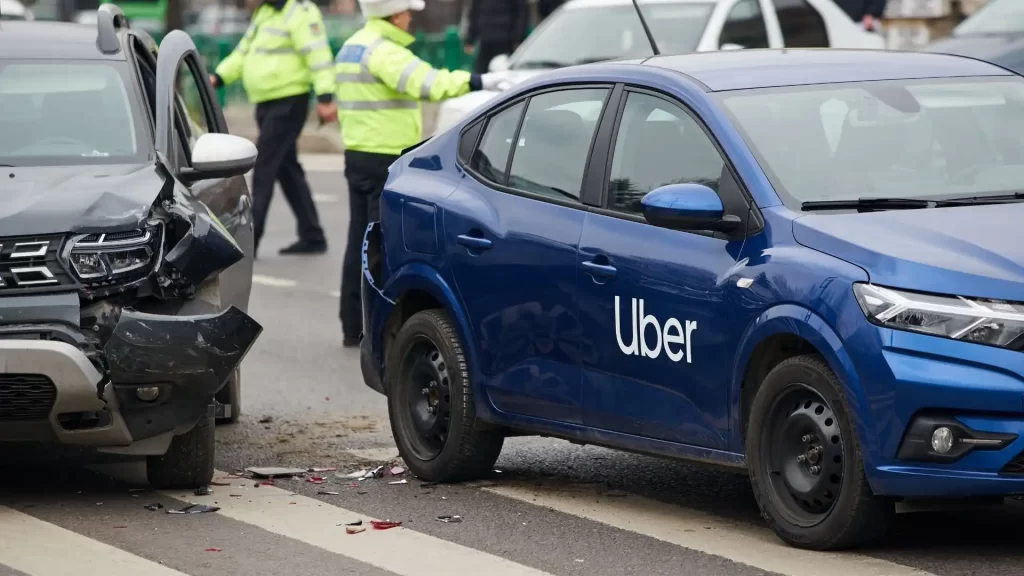
Rideshare accidents create unique legal situations that are very different from typical car crashes. When you’re involved in a regular car accident, determining who pays for damages is usually straightforward – the at-fault driver’s insurance covers the costs. However, Uber and Lyft accidents involve multiple insurance policies, different coverage levels, and complex rules about when each policy applies. This confusion often leaves accident victims unsure about where to turn for compensation. Understanding how rideshare insurance works and who is responsible for paying damages can help you protect your rights and get the money you need to cover medical bills, lost wages, and other expenses.
How Uber and Lyft Insurance Policies Work
The amount of insurance coverage available after a rideshare accident depends entirely on what the driver was doing when the crash happened. Uber and Lyft have created different coverage levels based on the driver’s app status at the time of the accident.
Driver App Status: Offline
When an Uber or Lyft driver is completely offline and not using the rideshare app, they’re considered a regular driver. In this situation, only the driver’s personal auto insurance applies. The rideshare company provides no coverage at all during offline periods.
This can be problematic because many personal auto insurance policies exclude coverage for commercial activities like rideshare driving. If the driver’s personal insurance denies the claim, you might have limited options for recovery.
Driver App Status: Online and Waiting
When drivers are logged into the app but haven’t accepted a ride request yet, limited rideshare coverage applies. During this “Period 1” phase, Uber and Lyft typically provide liability coverage of around $50,000 per person and $100,000 per accident for injuries to other parties.
This coverage is much lower than what’s available when drivers are actively transporting passengers, so serious injuries may not be fully covered during this period.
Driver App Status: En Route or Transporting Passengers
When drivers have accepted a ride request and are either picking up or transporting passengers, full commercial insurance coverage applies. During these “Period 2” and “Period 3” phases, Uber and Lyft provide $1 million in liability coverage.
This substantial coverage includes compensation for medical expenses, lost wages, pain and suffering, and other damages. The companies also provide uninsured/underinsured motorist coverage and comprehensive coverage during these periods.
When the Rideshare Company is Responsible
Rideshare companies become responsible for damages when their drivers cause accidents while actively working. This includes situations where the Uber or Lyft driver was speeding, texting while driving, running red lights, or otherwise driving negligently.
Even if the rideshare driver caused the accident, the company’s insurance typically provides the primary coverage rather than the driver’s personal insurance. This is beneficial for victims because rideshare companies carry much larger insurance policies than individual drivers.
However, rideshare companies and their insurance companies will often try to minimize their responsibility by arguing about the driver’s app status or claiming that other factors contributed to the accident.
A qualified rideshare accident lawyer can investigate the circumstances of your accident and ensure that rideshare companies are held accountable when their drivers are at fault.
When the Other Driver is at Fault
If someone other than the rideshare driver caused the accident, that driver’s insurance should be responsible for paying damages. However, Uber and Lyft insurance may still provide additional coverage to protect their passengers and drivers.
For example, if an uninsured driver hits an Uber carrying passengers, the rideshare company’s uninsured motorist coverage would likely apply to compensate the injured passengers and driver.
When multiple drivers contribute to an accident, determining fault and insurance responsibility becomes more complex. Each driver’s insurance company may try to blame the others to avoid paying claims.
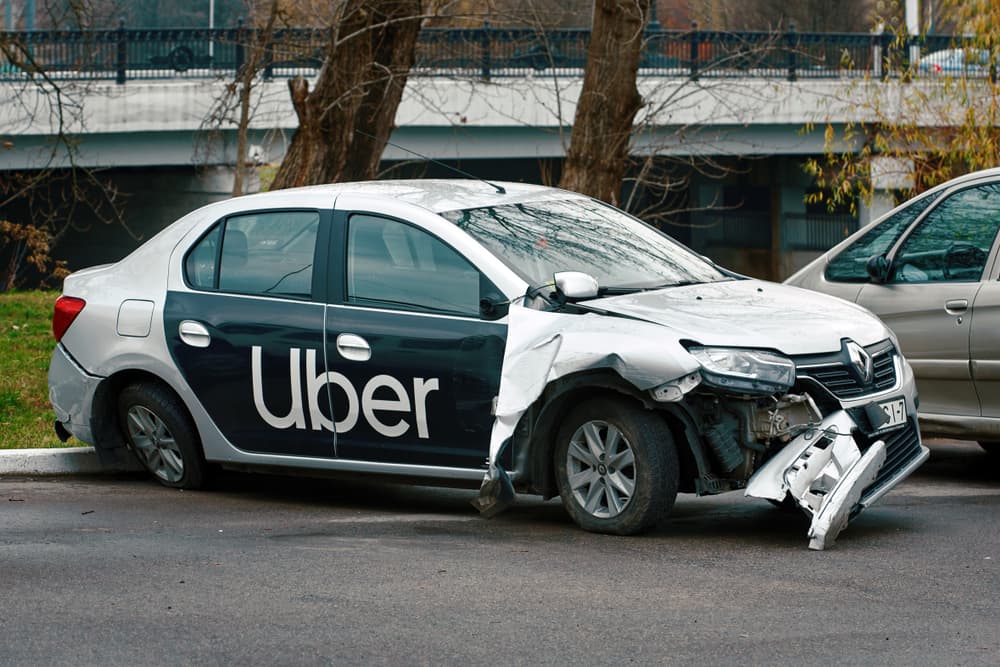
What Happens if You’re a Passenger, Pedestrian, or Another Driver
Your role in the rideshare accident affects which insurance policies are available to compensate you for your injuries.
As a Rideshare Passenger
Passengers typically have the strongest legal position after rideshare accidents. Whether the Uber driver or another driver caused the crash, substantial insurance coverage is usually available to compensate injured passengers.
If the rideshare driver was at fault, the company’s $1 million policy should cover your damages. If another driver caused the accident, their insurance pays first, but rideshare insurance provides backup coverage if needed.
An experienced car accident lawyer who handles rideshare cases can ensure that all available insurance coverage is identified and pursued on your behalf.
As a Pedestrian
Pedestrians hit by rideshare vehicles can seek compensation from both the driver’s personal insurance and the rideshare company’s commercial insurance, depending on the driver’s app status at the time of the accident.
If the rideshare driver was actively working when they hit you, the company’s full commercial coverage should apply to your injuries.
As Another Driver
If a rideshare driver hits your vehicle, you can file a claim against the rideshare company’s insurance when the driver was actively working. You may also be able to file a claim against the rideshare driver’s personal insurance.
The complexity of these overlapping insurance policies makes it essential to work with a personal injury lawyer who understands how rideshare coverage works.
Why You Should Talk to a Lawyer Before Speaking to Insurers
Multiple insurance companies are often involved in rideshare accidents, and each one wants to pay as little as possible for your claim. They may try to shift responsibility to other insurers or convince you to accept a settlement that’s far less than you deserve.
Insurance adjusters often contact accident victims quickly, sometimes while they’re still in the hospital. These adjusters may seem helpful and friendly, but their primary goal is to minimize their company’s financial responsibility.
Before giving any recorded statements or signing any documents, it’s important to speak with an experienced insurance claim lawyer who can protect your rights and handle all communication with insurance companies.
Rideshare accidents also involve complex legal questions about which insurance policies apply and how much compensation you’re entitled to receive. These cases often require investigation into the rideshare driver’s app status, the circumstances of the accident, and the extent of available insurance coverage.
A qualified injury attorney can conduct this investigation, gather necessary evidence, and build a strong case for maximum compensation while you focus on recovering from your injuries.
Conclusion
Determining who pays for damages in a rideshare accident requires understanding complex insurance rules and the specific circumstances of your crash. Multiple insurance policies may be available, but accessing this coverage often requires navigating complicated claims processes and dealing with insurance companies that want to minimize payouts. Getting experienced legal guidance early in the process protects your rights and ensures that you receive the full compensation available under all applicable insurance policies.
Not sure who should pay for your rideshare accident? Call the Law Office of Daniel Levy, LLP at (929) 600-6422 for a free consultation and let us help you get the compensation you deserve.